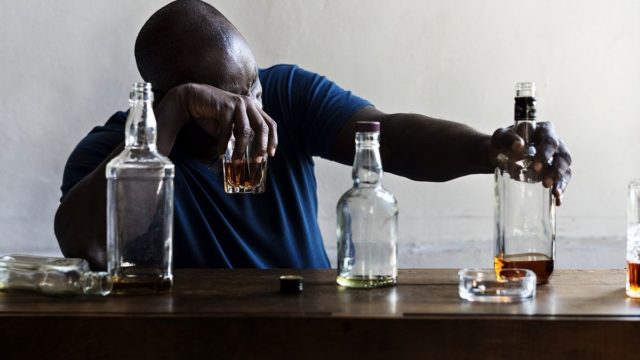
On a wooden bench outside a small rundown pub in the thick of Limbe Town, Blantyre, a group of men laugh over a shared drink as minibuses roar past and callboys clamour for passengers.
Among them is a downcast Peter Juma, 32, who forces a smile as tavern jokes rain, but it quickly fades into grins and headshakes.
The father of four was a shop assistant, but the business collapsed last year. He can no longer afford rent, food and peace of mind.
“I wake up every day blaming myself because I cannot provide for my family,” he says. “Even my children feel like I am failing them.”
Each morning, Juma walks about four kilometres from Bangwe Township to Limbe in search of scarce piecework to compensate for the job loss.
His experience reflects how financial stress weighs heavily on low-income breadwinners, especially men.
‘A problem shared is half solved’ is a familiar saying, but Juma, like most Malawians, grew up hearing mwamuna salira (a man does not cry).
“I am not a sissy. A man must be strong,” he says, exemplifying how the proverb drives men to downplay heartbreaks, fears and pressures.
Instead of speaking openly, they suffer in silence.
Chipiliro Banda, 28, who runs a workshop in Manje Township in the city, resorts to drinking to forget his business struggles.
“Some days, I go home empty-handed,” he says, perspiring as he sands a plank. “When you share your problems, friends laugh at you. Even your spouse expects you to be strong.”
From the look of things, drinking joints have become trusted garages for heartbroken men. They share liquor, a laugh and sorrows, pausing their stress, anxiety and depression.
Families bear the brunt
Judith Mbedza, a mother of three from Bangwe, says her once-talkative husband has become withdrawn and seldom spends evenings at home.
“Ask him what is wrong and he will say it’s OK. However, he gets angry easily. He has become a stranger in our home,” she says.
Mental health advocate Mercy Mkandawire says cultural expectations muzzle men from seeking support for depression, anxiety, suicidal thoughts or substance abuse.
“Teaching boys that vulnerability is weakness forces them to hide their pain and carry every burden alone to protect their dignity,” she says.
Mkandawire says most mental issues go undiagnosed and untreated due to stigma.
She states: “Men are less likely to seek help than women. By the time they come forward, the situation is often severe.
“Some seek solace in alcohol misuse, aggression or withdrawal, but behind the bottle and anger is often deep emotional distress.”
Access to mental health treatment, care and support remains limited, particularly in low-income communities.
Where services exist, men who share their mental woes are deemed weak or mad.
Clinical psychologist Ndumanene Silungwe, from Saint John of God Hospitaller Services in Lilongwe, says up to two in five suffer anxiety and depression, but many people in low-income countries such as Malawi experience mental stress linked to economic hardship.
“Economic adversity fuels hopelessness and despair, which increase interpersonal conflict and negative coping strategies such as drug and substance abuse,” he says.
Silungwe warns that untreated mental challenges—bottled in alcoholism and drug abuse—affect relationships, productivity and community well-being.
“Poor mental health reduces self-awareness and awareness of others. People struggle to cope with normal stress and become less productive. It weakens relationships and community life,” he states.
Among others, police counts show men who commit suicide—often using violent and lethal means—far outnumber women.
In the first quarter of 2025 alone, 125 men died by suicide compared to 28 women.
A study by Gift Banda found current interventions inadequate to tackle the country’s “suicide epidemic” that mostly involves men.
As the sun sets on Limbe Town, Juma and his colleagues empty their umpteenth bottle, ready to walk home with a liberated mind.
However, their inner stress proves inescapable. It returns as soon as the paralysing sting of liquor vanishes.